

Homemade Chickpea Yogurt (Vegan, with a Nut-Free Option)

Homemade chickpea yogurt is a creamy, whole-food alternative made with dried chickpeas and cashews or sunflower seeds. Enjoy it plain or add optional vanilla, fruit, chia jam, date paste, or a combination for a naturally sweet breakfast or snack.
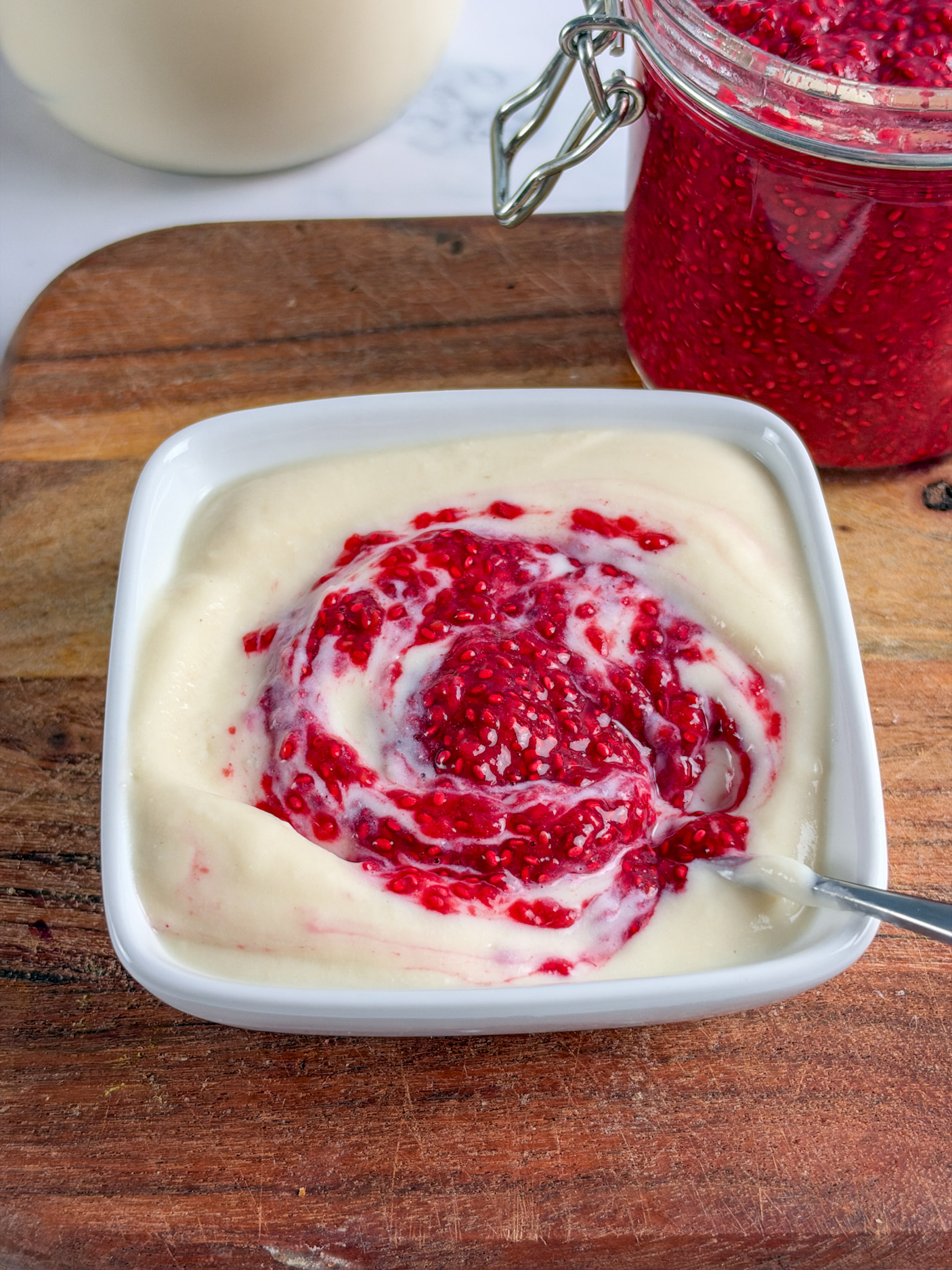
Homemade Vegan Yogurt with Chickpeas
I love recipes that transform a few basic ingredients into something completely different. Here, dried chickpeas become the base for a thick, creamy yogurt without dairy, oil, refined sugar, or a packaged starter.
Cashews make it especially rich, while raw sunflower seeds offer a creamy, nut-free option.
The active preparation is simple, but this recipe does require planning because the chickpeas soak for 10 to 12 hours and the finished yogurt ferments for another 12 hours.
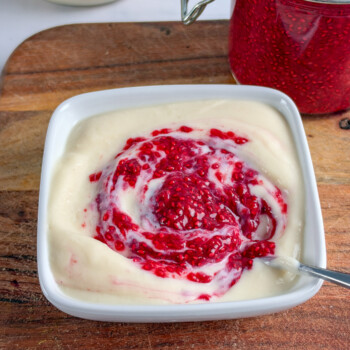
Once chilled, I like to add fruit, chia jam, date paste, or a combination, depending on how I plan to use it.
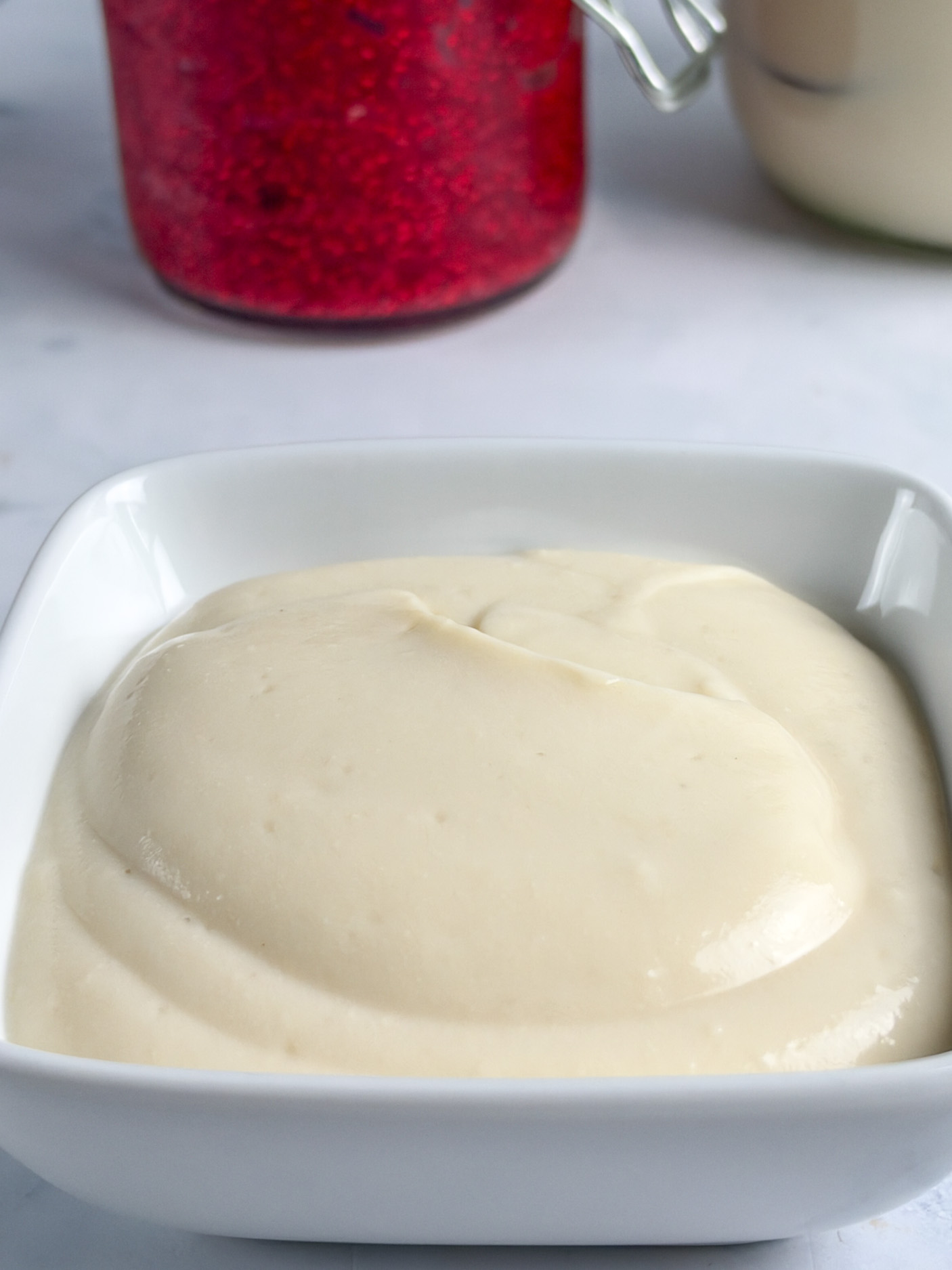
Javant’s Health Tips
Chickpea soaking water contains carbohydrates released from the beans along with naturally occurring microbes from the chickpeas and their environment.
When a small amount is added to the cooled yogurt, these wild microbes can use the available sugars and produce acids, creating the tangy flavor and helping the mixture ferment.
Chickpeas also provide prebiotic fiber, resistant starch, and raffinose-family oligosaccharides that can feed beneficial bacteria in the gut.
This gives the yogurt both prebiotic value and probiotic potential. However, because this is a wild fermentation, the microbial strains and probiotic benefits cannot be guaranteed.
Use very clean equipment, follow the timing closely, refrigerate promptly, and discard any batch with mold, unusual color, or an unpleasant odor.
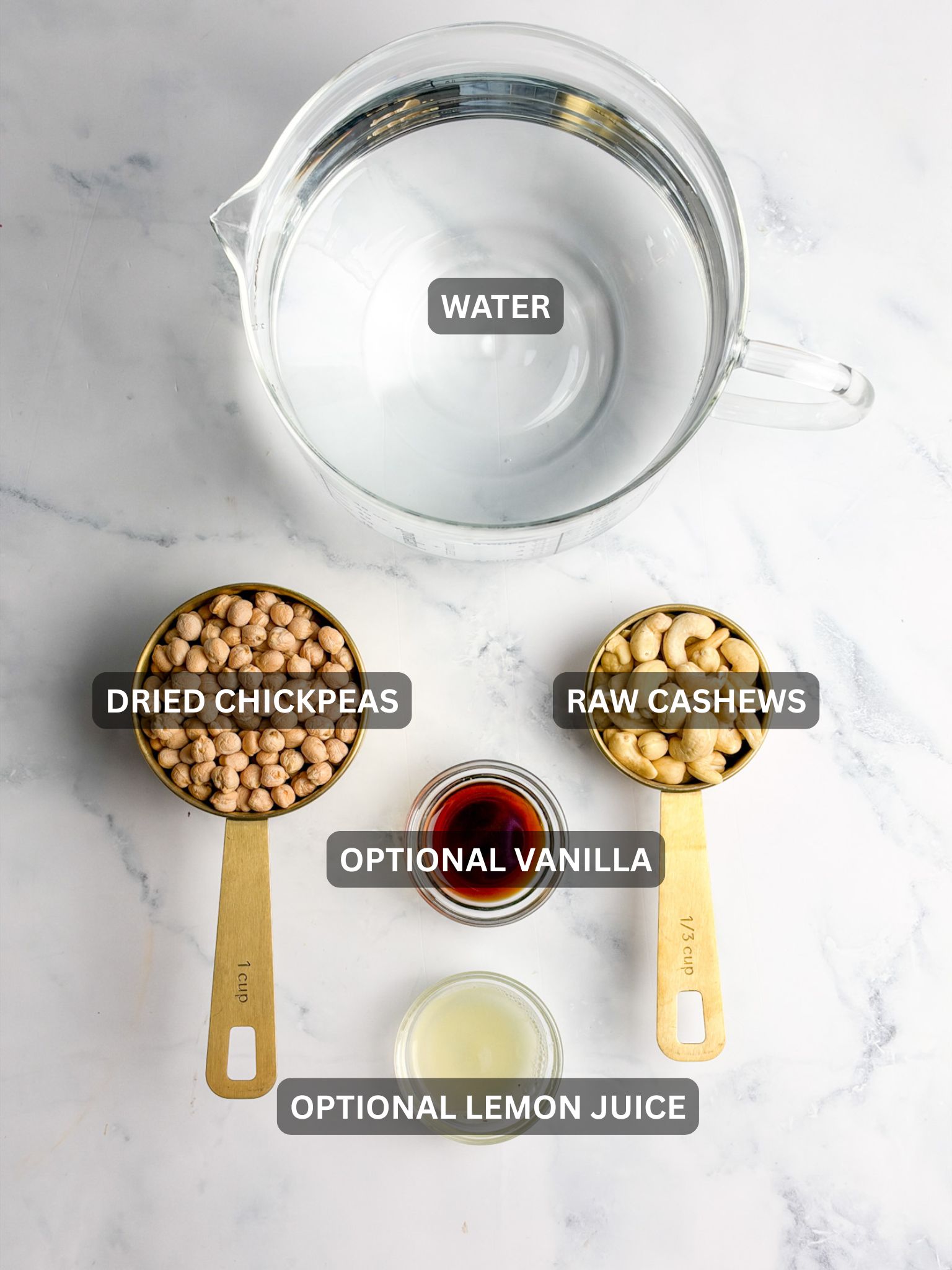
Key Ingredients and Substitutions
- Dried chickpeas – Cooked or canned chickpeas will not work or create the same result.
- Raw cashews – They create a smooth, creamy texture. Soak them if your blender needs help processing them.
- Raw sunflower seeds – Use these in place of cashews for a nut-free yogurt.
- Vanilla – Optional. Use 2 teaspoons vanilla bean powder or 3 teaspoons pure vanilla extract.
- Lemon juice – Optional. It can help further neutralize the chickpea flavor, but I do not find it necessary.
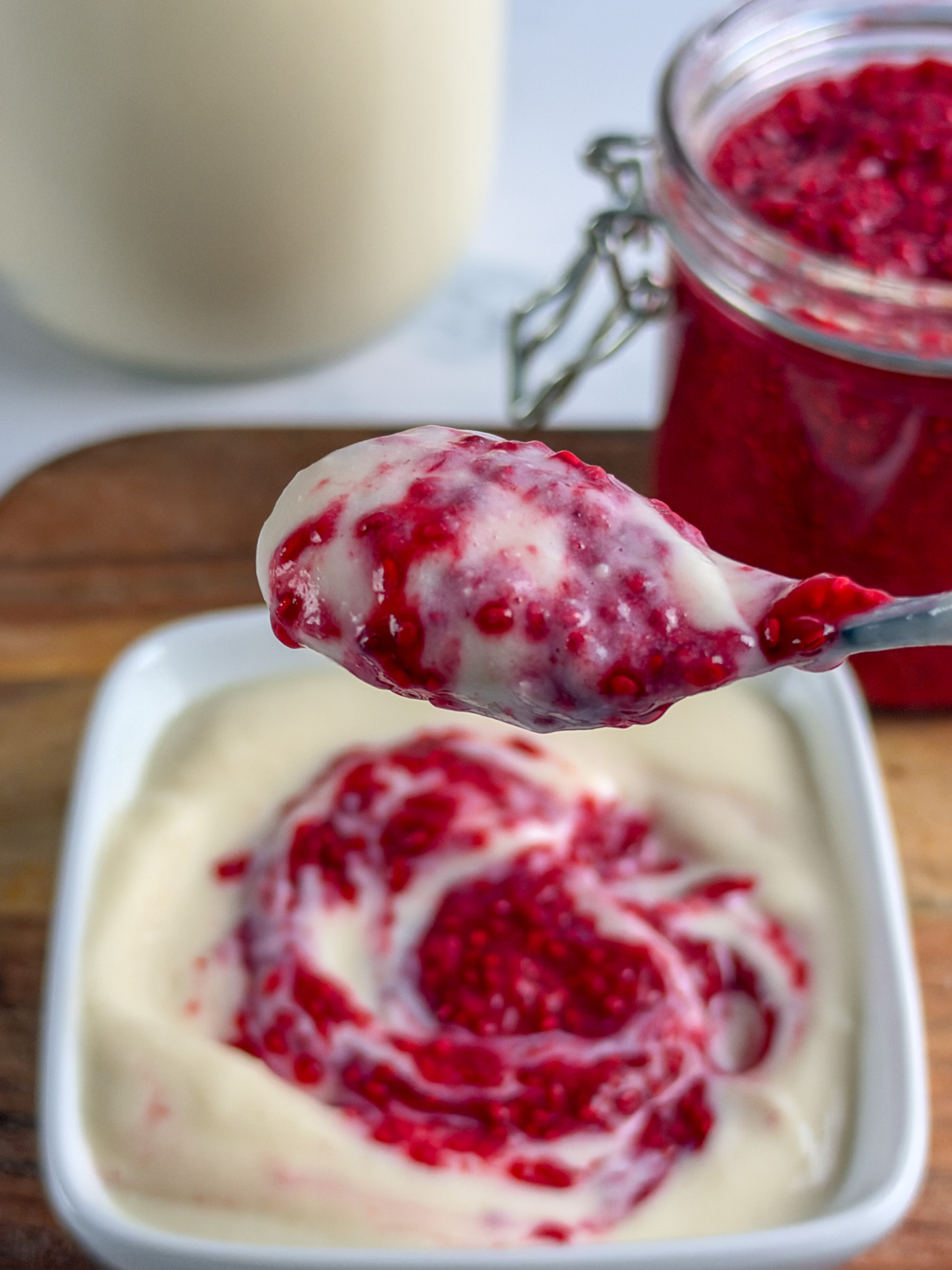
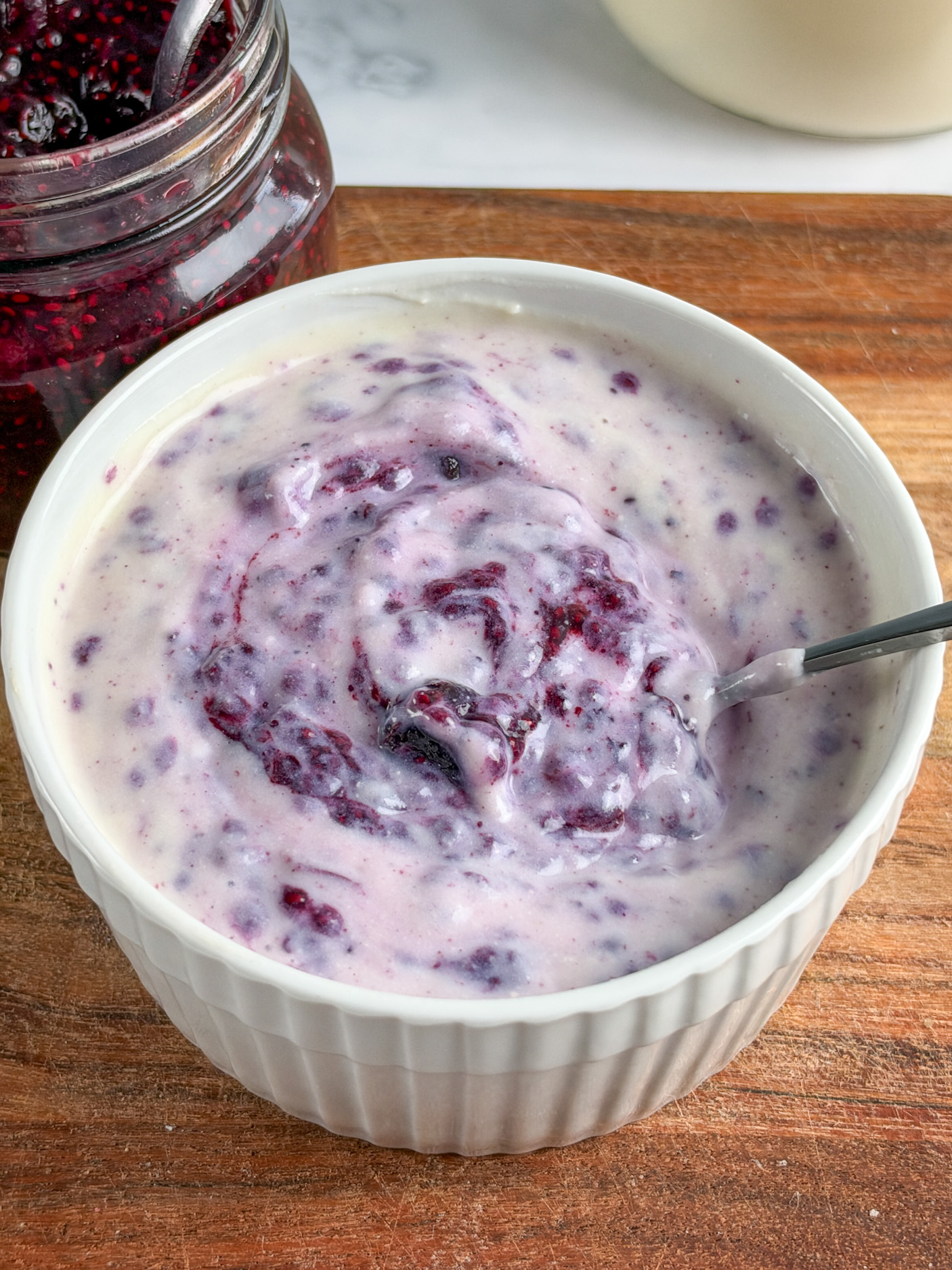
- Fruit, chia jam, or date paste – Add one or more after fermentation and chilling to create a naturally sweet yogurt.
Make Your Own Chickpea Yogurt
1. Soak the chickpeas. Rinse the dried chickpeas thoroughly, cover them with 4 cups of water, and soak at room temperature for 10 to 12 hours.
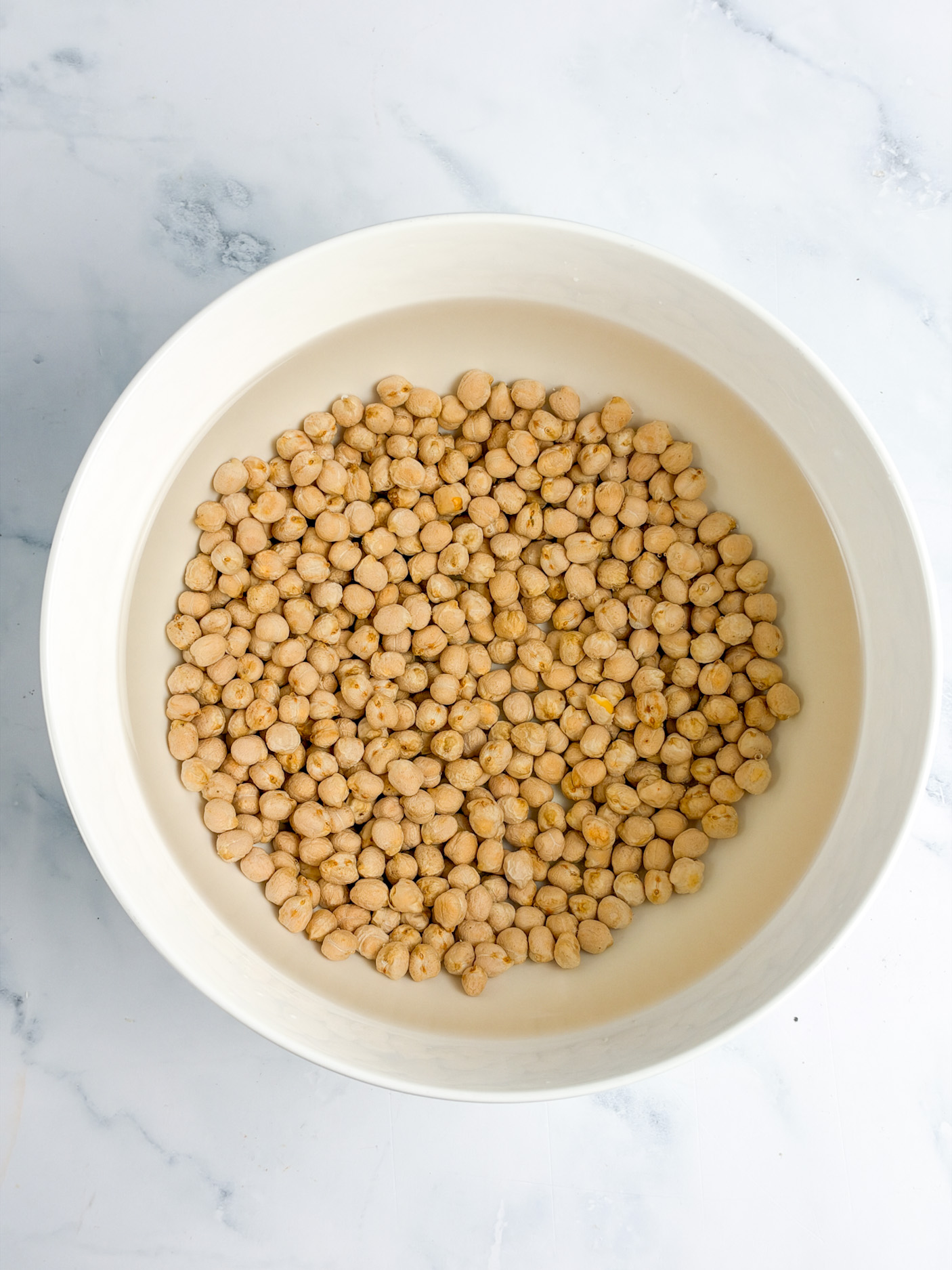
2. Reserve the starter liquid. As soon as there are some small bubbles on the surface, measure and set aside 2 tablespoons of the soaking water.
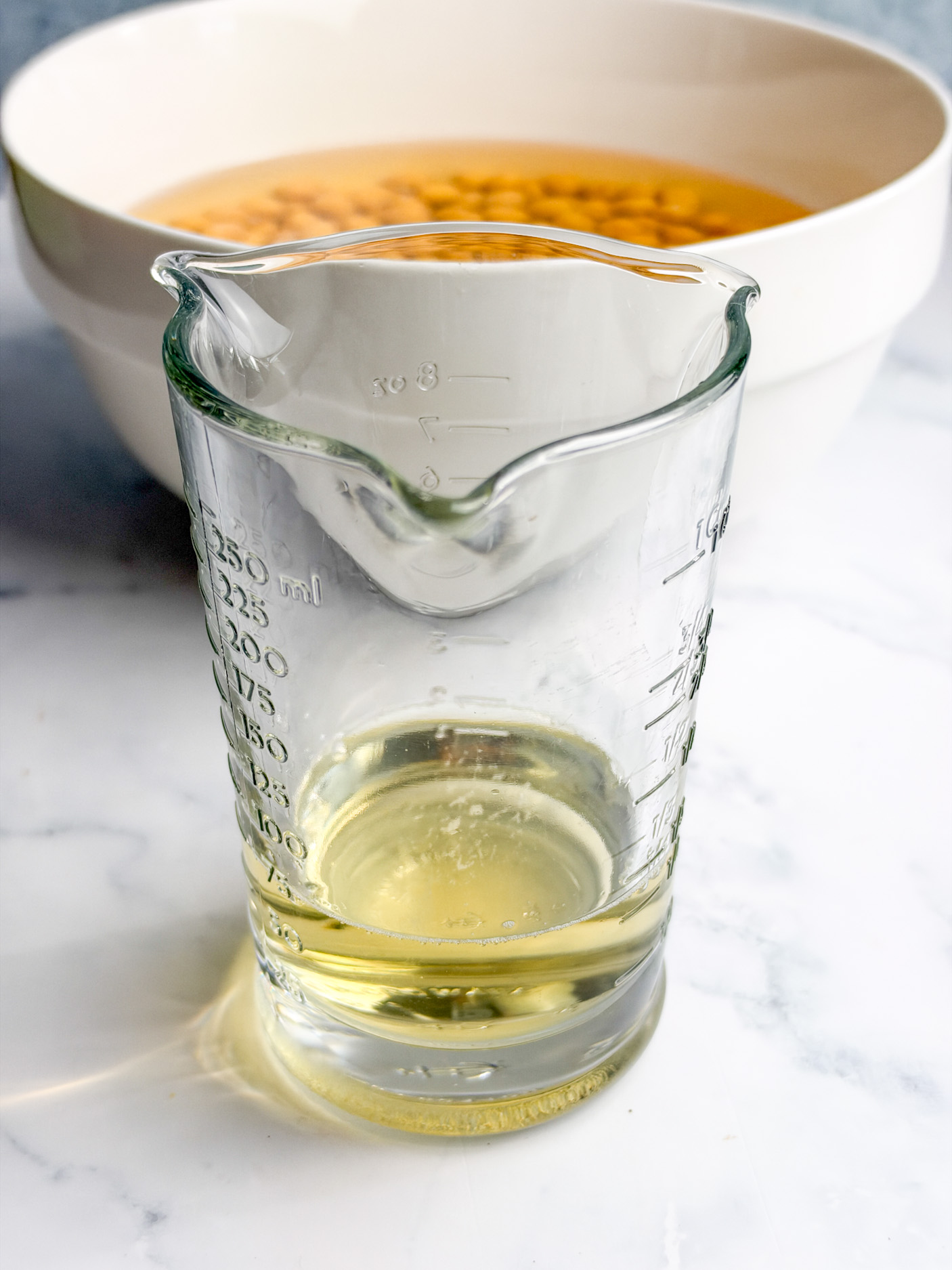
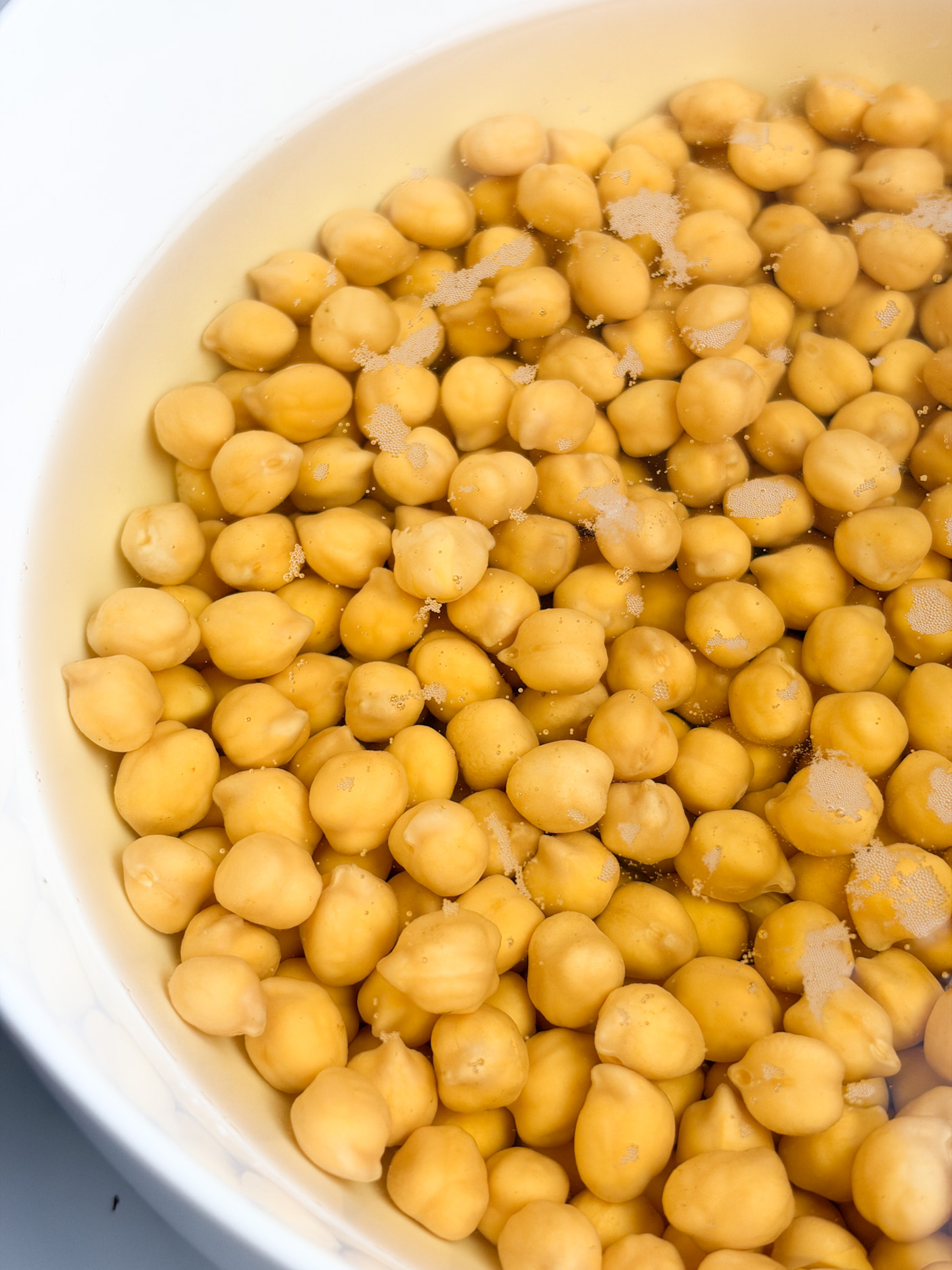
3. Rinse and drain. Then rinse and drain the chickpeas.
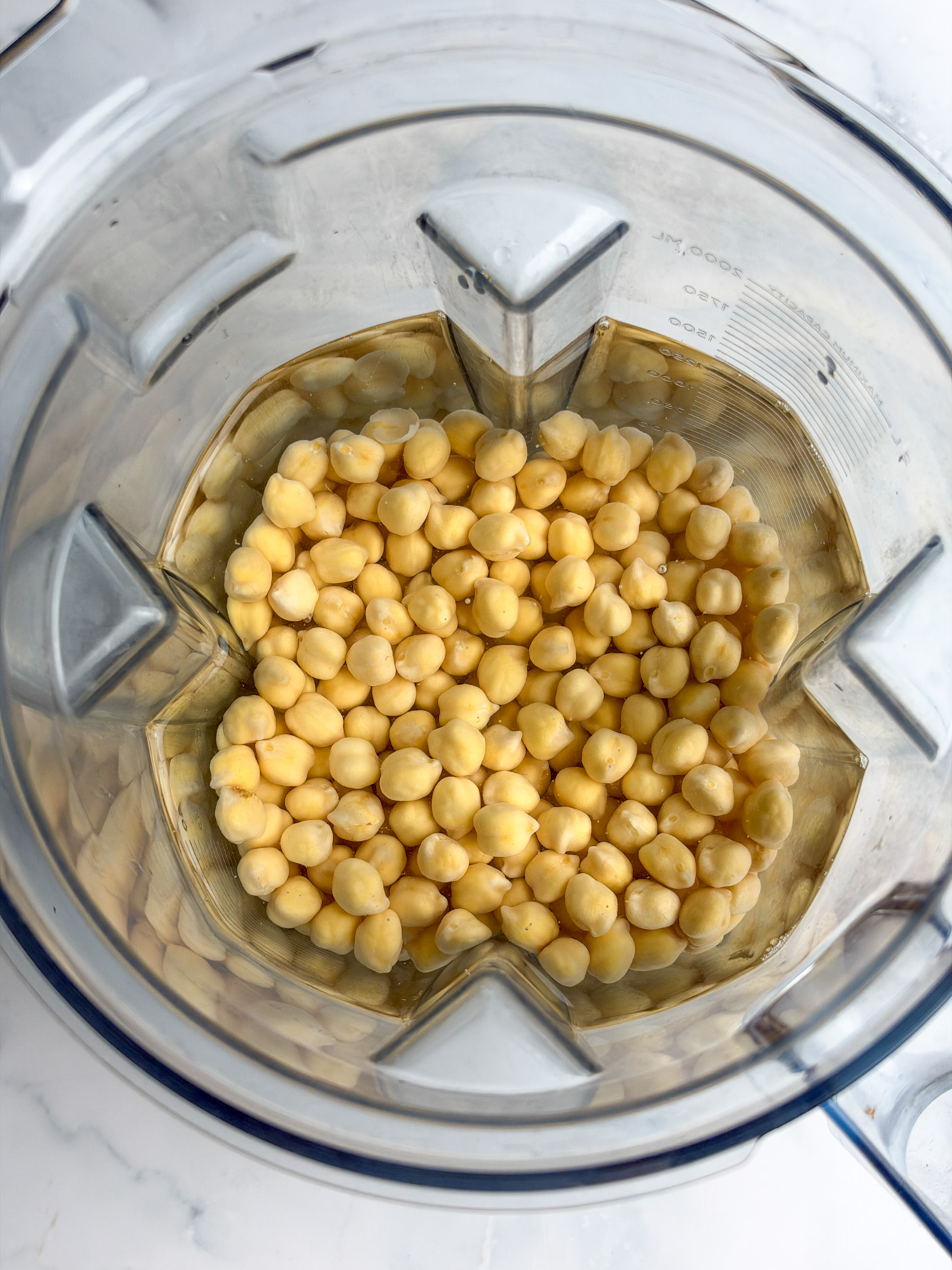
4. Blend the chickpea milk. Blend the soaked chickpeas with 4 cups of fresh water.
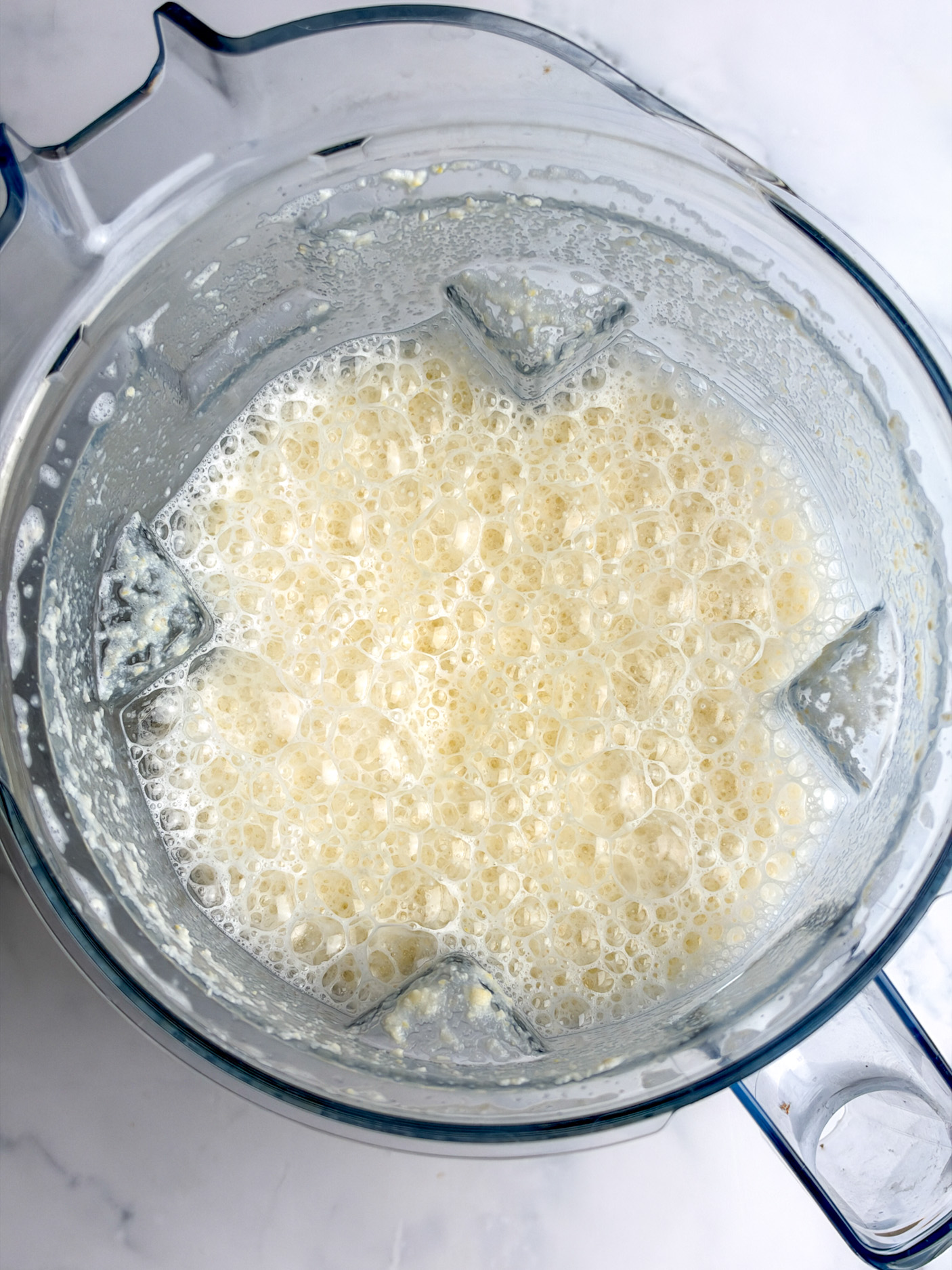
5. Blend thoroughly. Blend until thoroughly broken down.
6. Strain the milk. Pour the blended mixture through a nut milk bag into a pot.
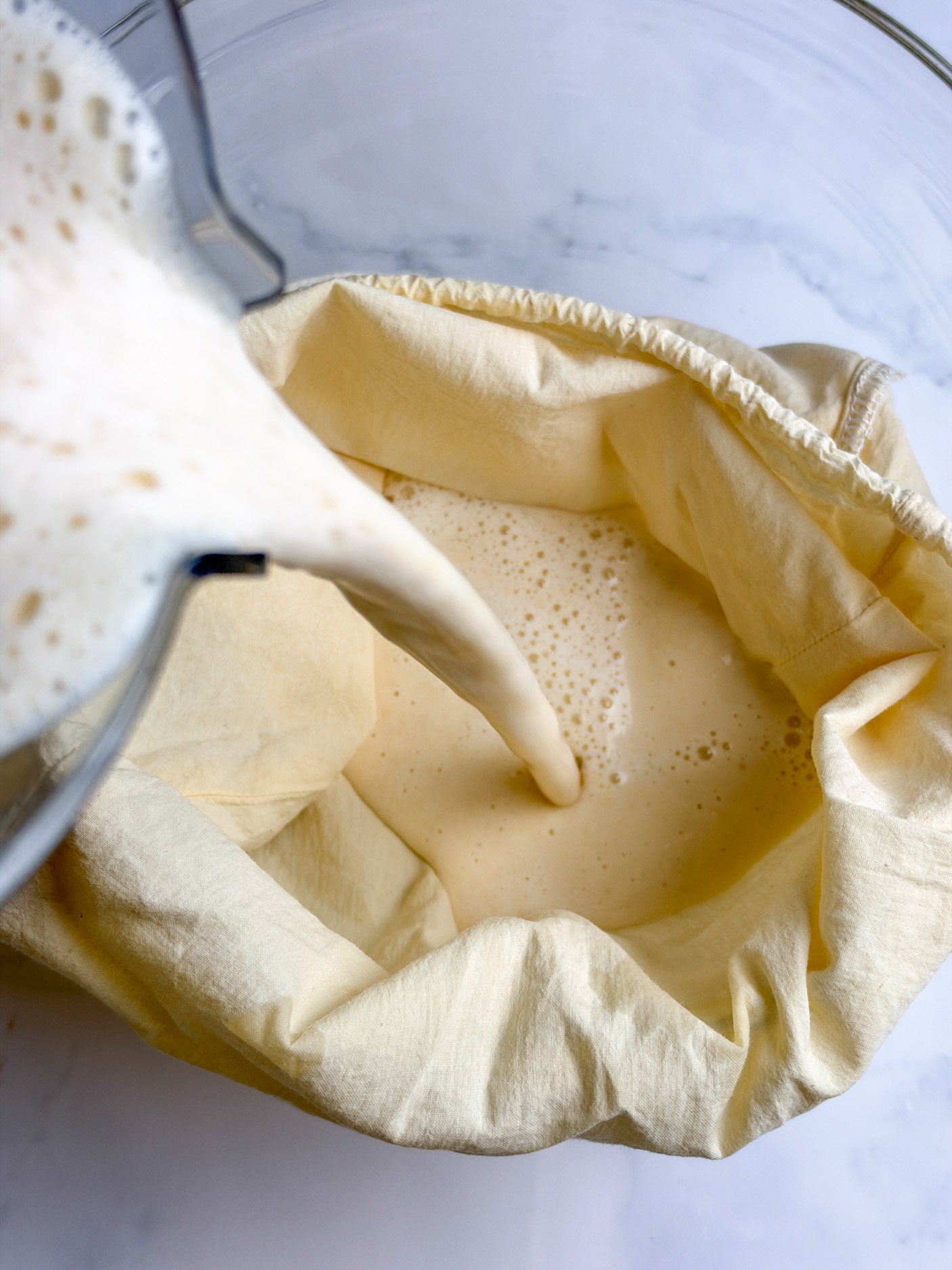
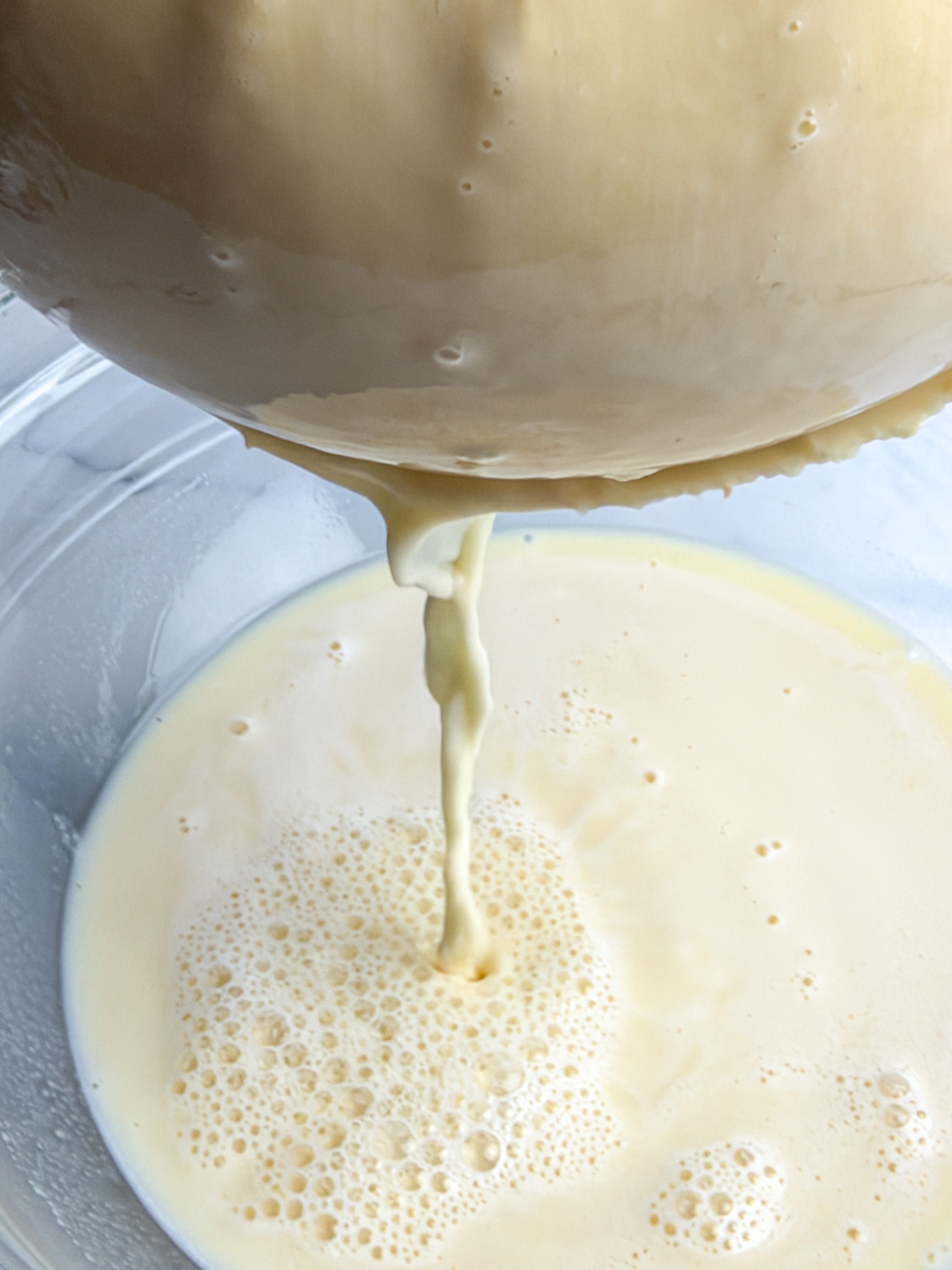
7. Squeeze out the liquid. Squeeze out all the liquid.
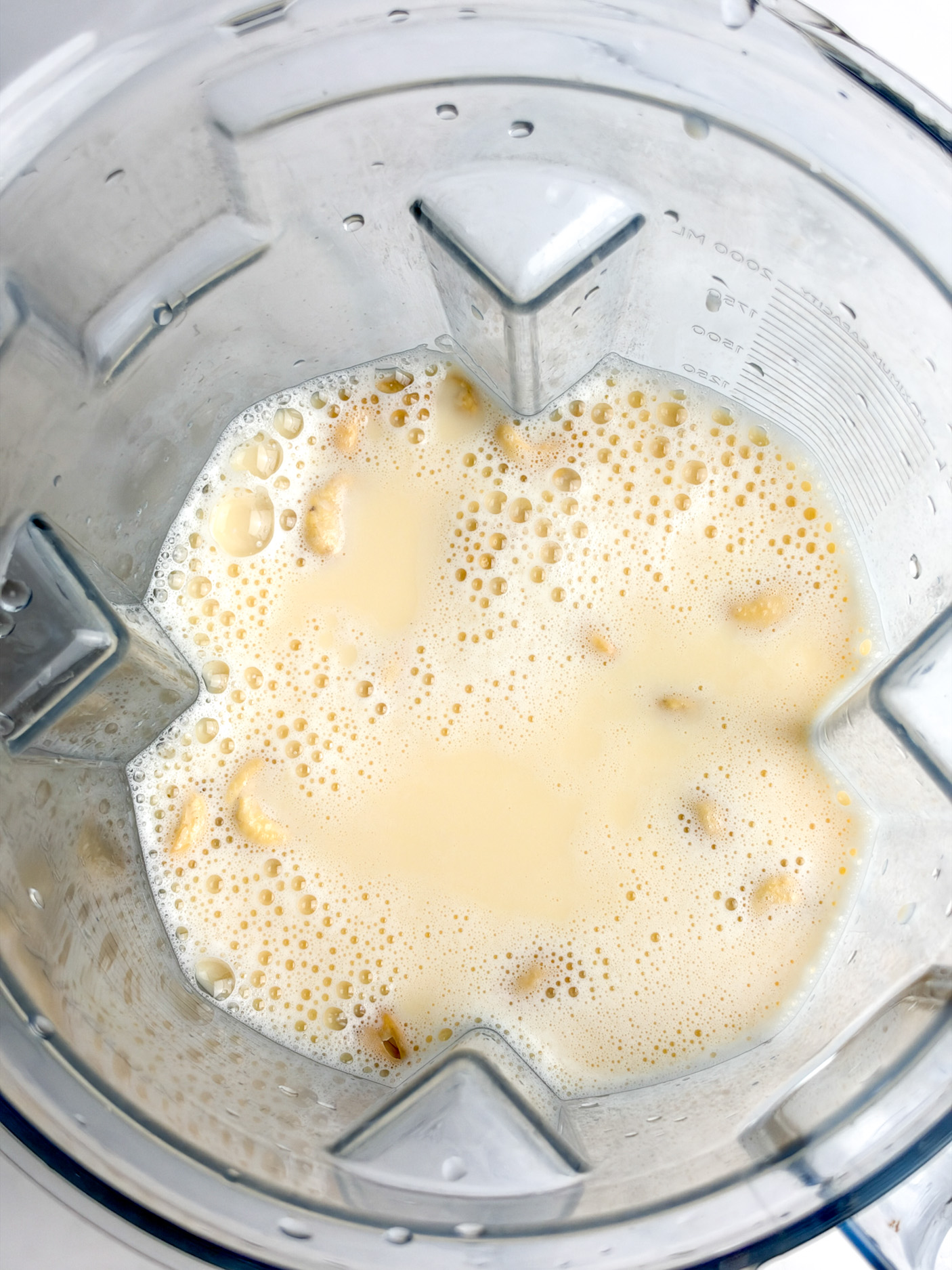
8. Blend the creamy base. Blend the cashews or sunflower seeds with about 1 cup of chickpea milk until completely smooth.
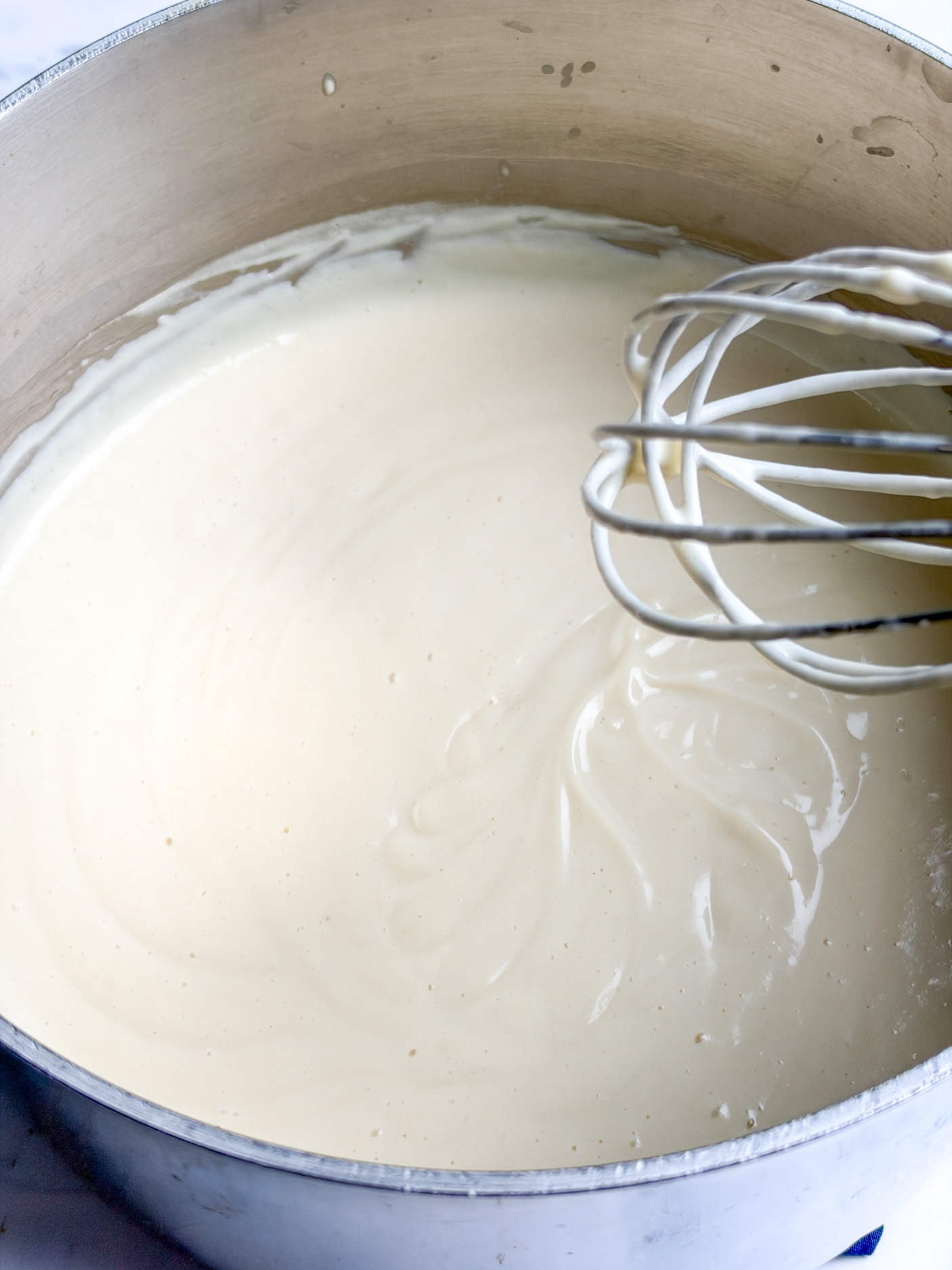
9. Cook until thick. Add the creamy mixture to the pot and simmer for about 10 minutes, whisking and scraping the bottom frequently.
10. Prepare for fermentation. Whisk in the reserved soaking water. Whisk in the lemon juice and optional vanilla, if using. Remove the pot from the heat and allow the mixture to cool until lukewarm. Whisk periodically as it cools to help prevent clumping.
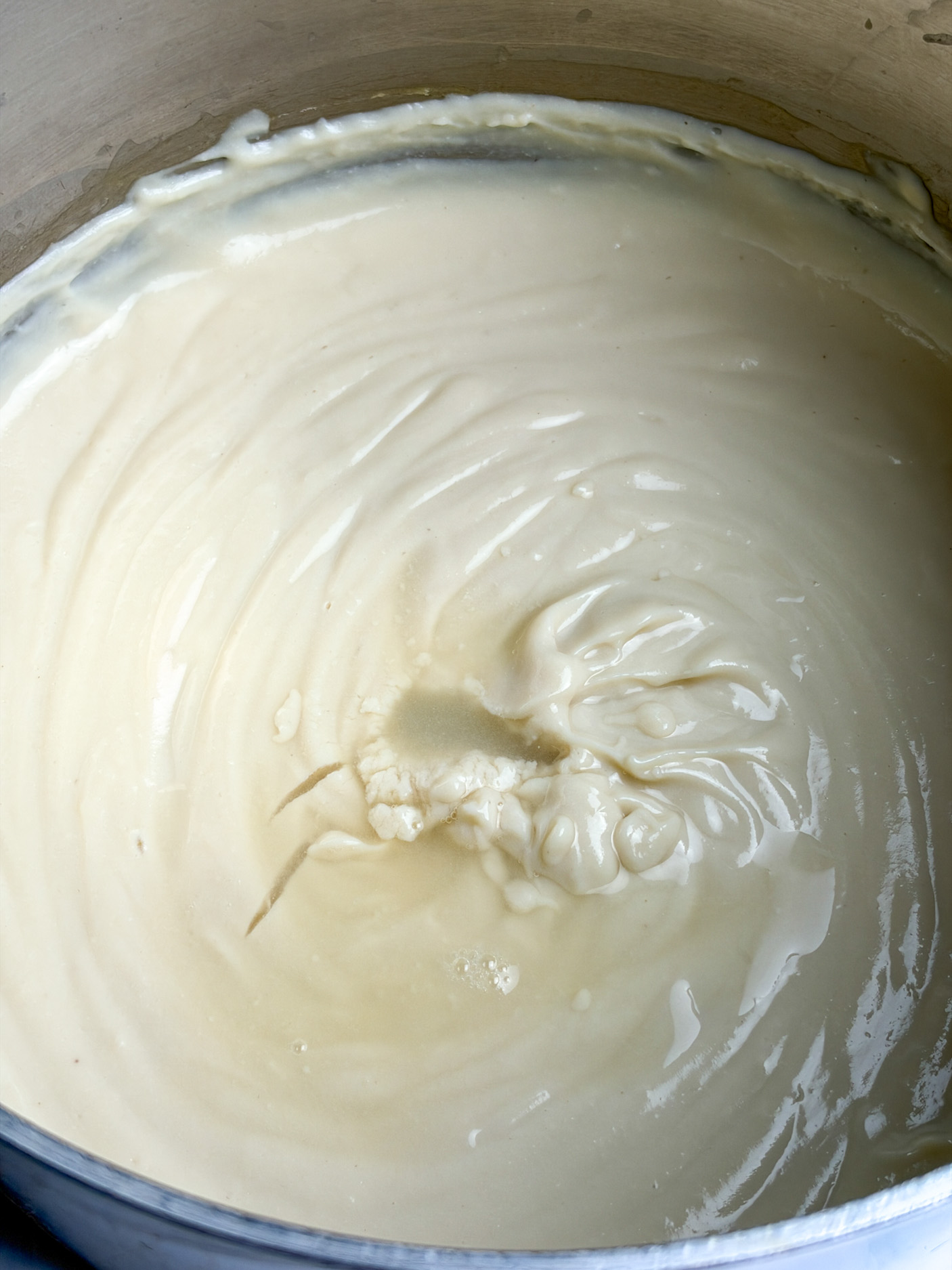
11. Transfer to a jar. Transfer to a clean glass jar.
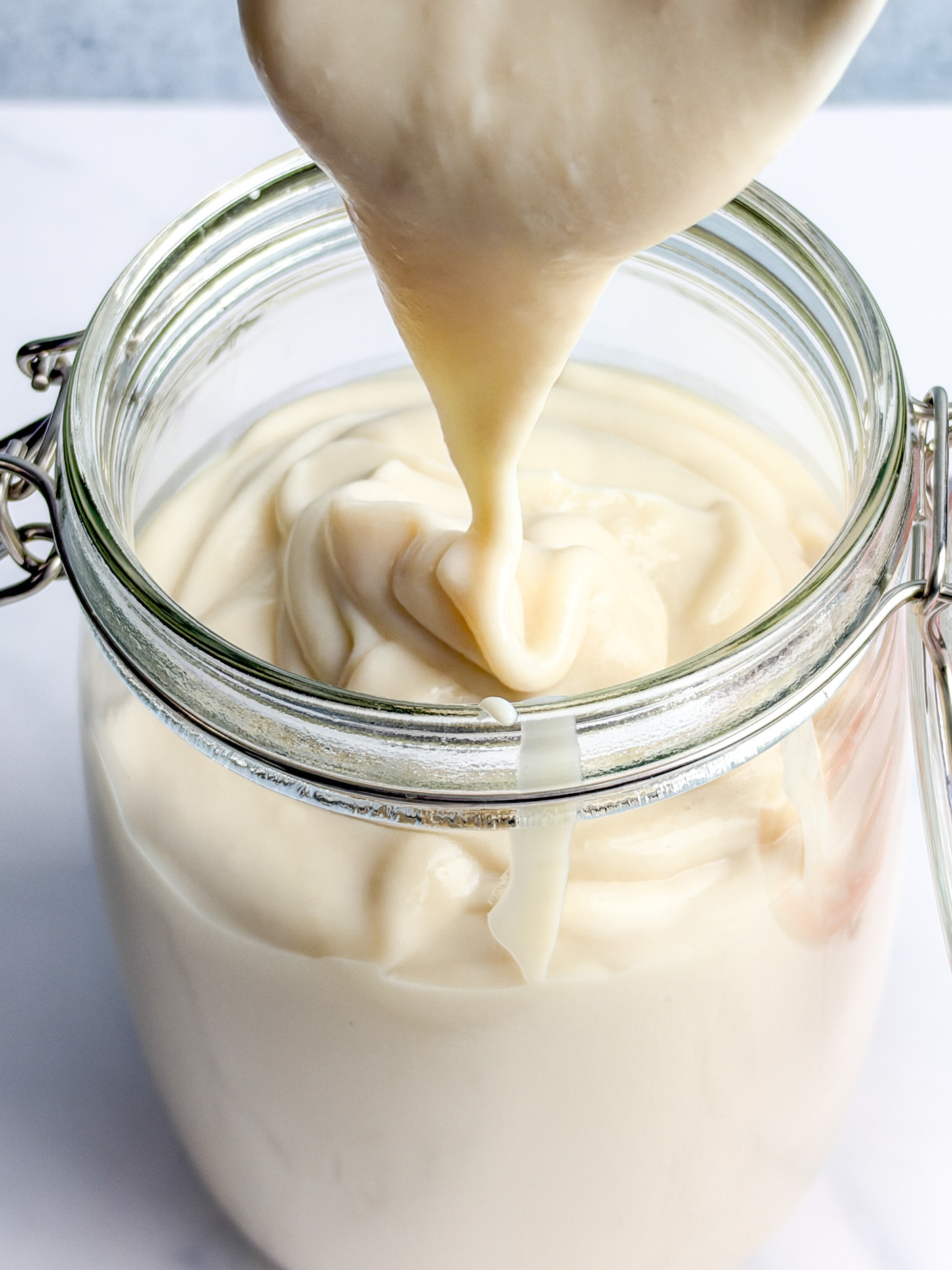
12. Cover the jar. Cover with cheesecloth or a paper towel.
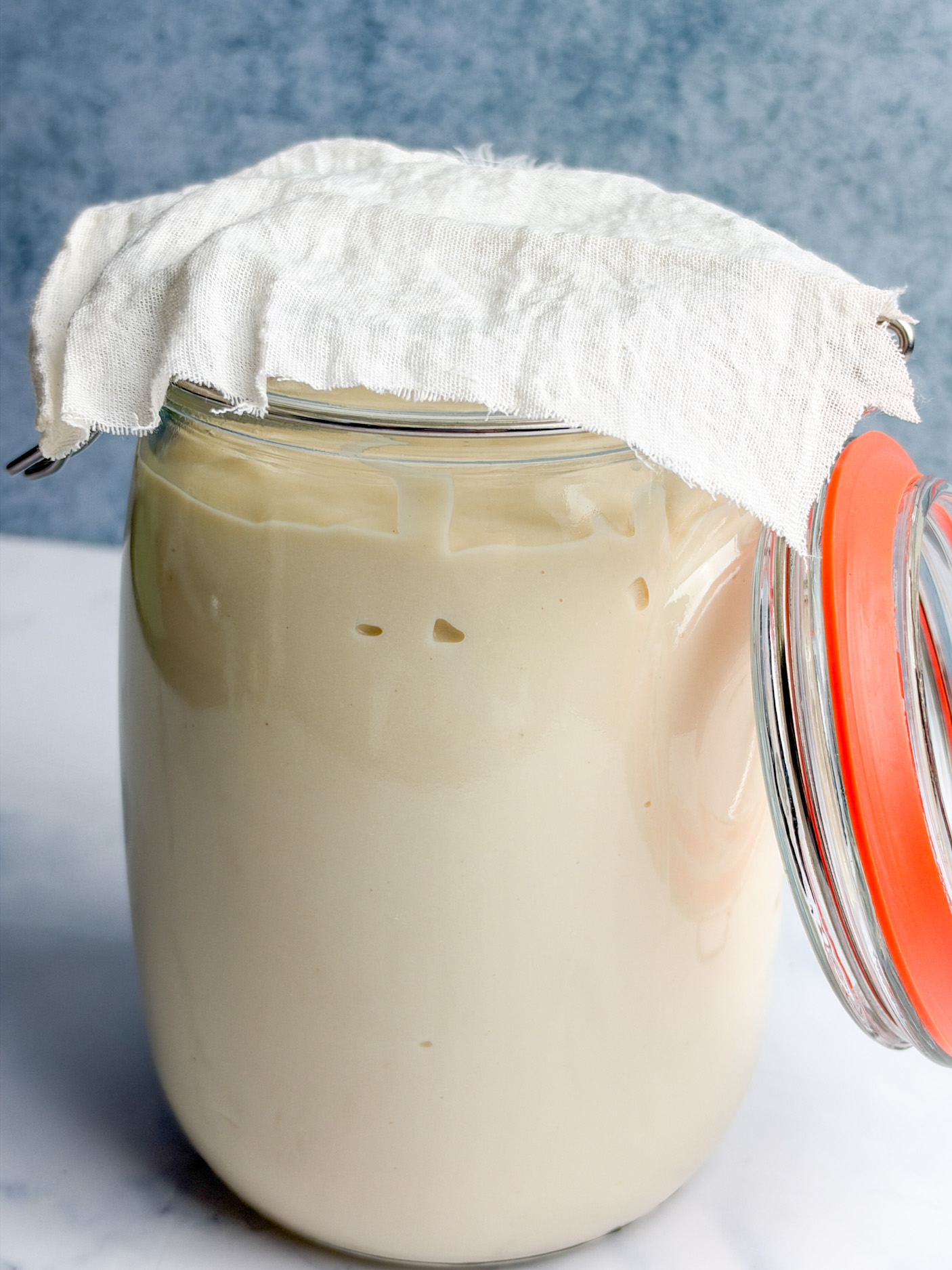
13. Ferment. Ferment for 12 hours at room temperature.
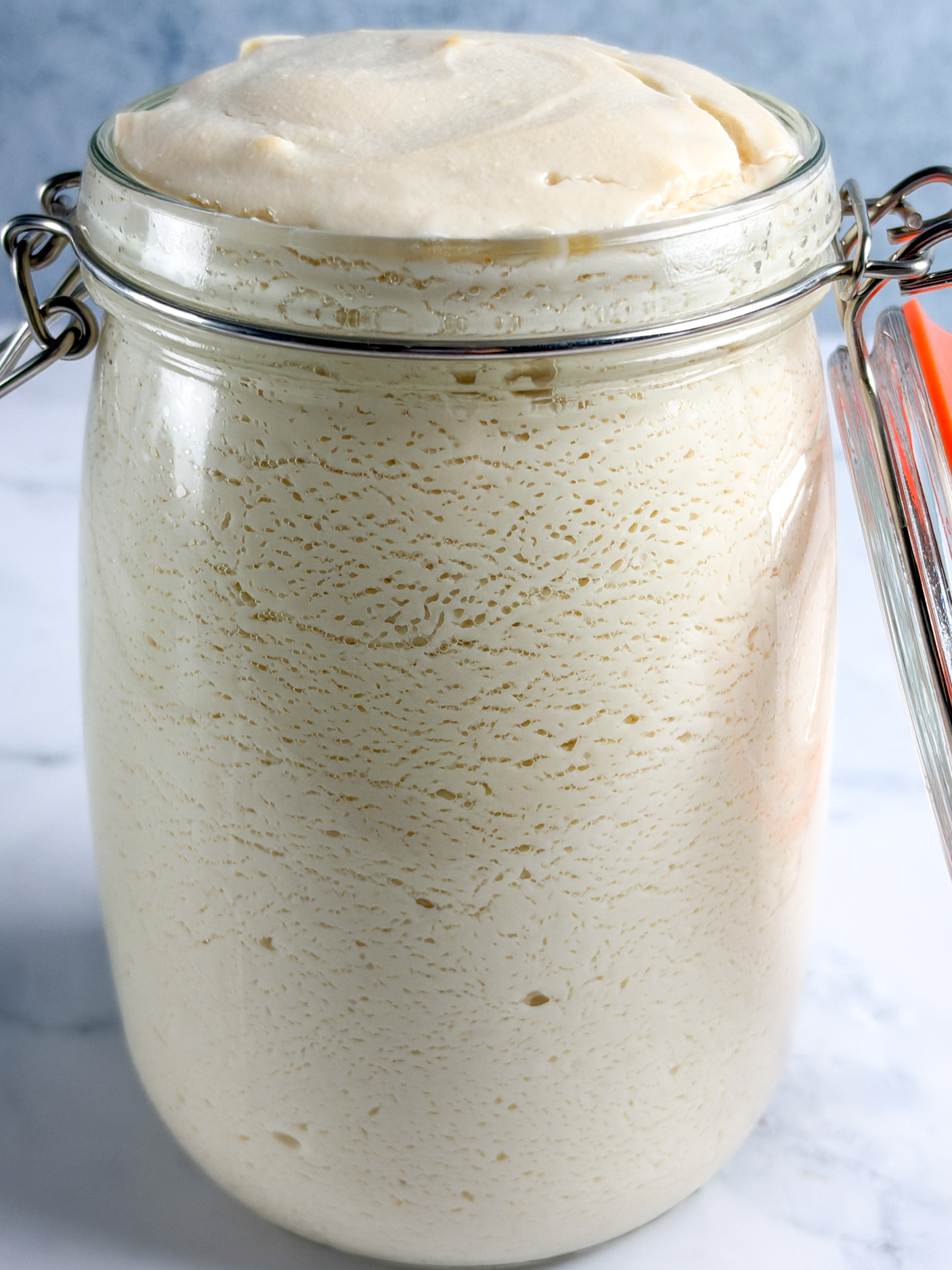
14. Whisk and chill. Once the fermentation has occurred, whisk to make it creamy, then cover and refrigerate.
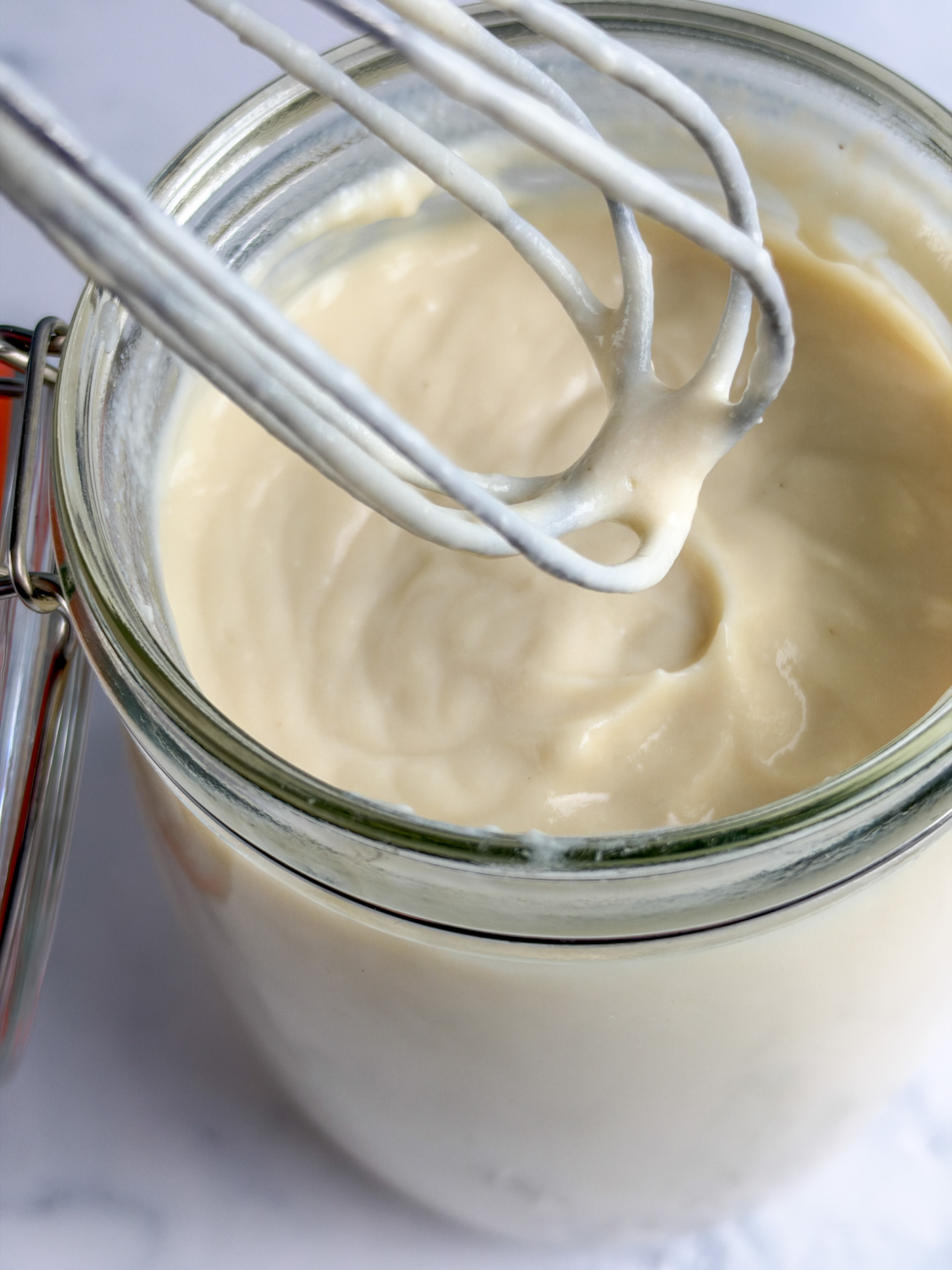
15. Serve. Stir and enjoy plain or add fruit, chia jam, date paste, or a combination as desired.
Keys to Making Great Chickpea Yogurt
- Reserve the soaking water first. Set aside 2 tablespoons before rinsing and draining the chickpeas.
- Strain thoroughly. Squeeze the nut milk bag well to extract as much chickpea milk as possible.
- Keep the mixture moving. Scrape the bottom of the pot and whisk frequently to prevent sticking, scorching, and clumps.
- Cool to lukewarm. Do not add the reserved soaking water while the mixture is still hot.
- Use very clean equipment. A clean jar, utensils, and covering help reduce unwanted contamination during fermentation.
Storing
After the 12-hour fermentation, cover the jar and refrigerate the yogurt promptly. Chilling will help it set and thicken further.
Keep it in a clean, airtight container and use a clean spoon each time you serve it.
Because this is a homemade, spontaneously fermented food, monitor it carefully and discard it if you see mold, pink or unusual discoloration, bubbling that seems excessive, or an unpleasant smell.
Stir before serving and add fruit, chia jam, date paste, or a combination to individual portions as desired.
Frequently Asked Questions
Can I make this yogurt nut-free?
Yes. Replace the raw cashews with an equal amount of raw sunflower seeds. The flavor will be slightly different, but the sunflower seeds still add creaminess.
Why do I need to whisk it while it cools?
The mixture continues thickening as it cools. Whisking helps keep the texture smooth and prevents a skin or clumps from forming.
Can I sweeten the whole batch?
You can, but I prefer fermenting the plain mixture and adding fruit, chia jam, date paste, or a combination after it has fermented and chilled. This also lets everyone adjust the sweetness to taste.
Related Recipes
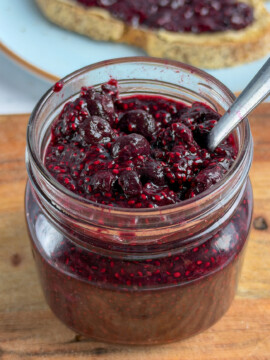
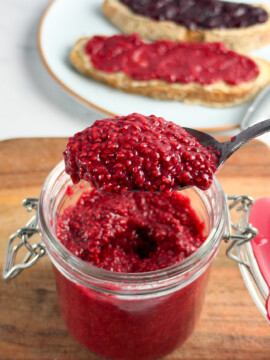
Homemade Chickpea Yogurt (Vegan, with a Nut-Free Option)
Ingredients
- 1 cup dried chickpeas
- 4 cups water, for soaking
- 4 cups fresh water, for blending
- 1/3 cup raw cashews or raw sunflower seeds
- Optional: 1 tablespoon lemon juice
- Optional: 2 teaspoons vanilla bean powder , or 3 teaspoons pure vanilla extract
- Optional: Fruit, chia jam, and/or date paste, for serving
Equipment
- Nut milk bag For straining the blended chickpea milk.
- Heavy-bottomed pot
- Cheesecloth or paper towel
Instructions
- Soak the chickpeas. Rinse the dried chickpeas thoroughly. Add them to a bowl with 4 cups of water and soak at room temperature for 10 to 12 hours.
- Reserve the soaking water. Before draining, measure 2 tablespoons of the chickpea soaking water and set it aside. Rinse and drain the chickpeas.
- Make the chickpea milk. Add the soaked chickpeas and 4 cups of fresh water to a high-speed blender. Blend until thoroughly broken down.
- Strain. Pour the blended chickpea mixture through a nut milk bag into a pot. Squeeze well to extract as much liquid as possible.
- Blend the cashews or seeds. Add the raw cashews or sunflower seeds to the blender with about 1 cup of the strained chickpea milk. Blend until completely smooth, then pour the mixture into the pot with the remaining chickpea milk.
- Cook and thicken. Bring the mixture to a gentle simmer. Cook for about 10 minutes, whisking and scraping the bottom of the pot frequently, until thickened. Take care to prevent sticking, scorching, and clumping.
- Add the optional vanilla. Once the yogurt has thickened, whisk in the vanilla bean powder or vanilla extract, if using.
- Cool. Remove the pot from the heat and allow the mixture to cool until lukewarm. Whisk periodically as it cools to help prevent clumping.
- Prepare for fermentation. Transfer the lukewarm mixture to a clean glass jar. Whisk in the reserved 2 tablespoons of soaking water. Whisk in the optional lemon juice, if using.
- Ferment. Cover the jar with cheesecloth or a clean paper towel. Allow it to ferment at room temperature for 12 hours.
- Whisk. Once the yogurt has fermented it will separate slightly. Whisk it until smooth.
- Chill and serve. Cover the jar and refrigerate. Stir before serving and add fruit, chia jam, date paste, or a combination as desired.
Video
Please Note: I occasionally update my recipes after filming the videos. For the most accurate and up-to-date ingredients and instructions, always refer to the written recipe.
Notes
- Nut-free option: Use raw sunflower seeds instead of cashews.
- Fermentation: Use a very clean jar and utensils. Ferment for 12 hours at room temperature, then refrigerate promptly. Keep the yogurt in a warm place, if it is too cold, it will take longer to ferment.
- Food-safety check: Discard the batch if you notice mold, unusual discoloration, or an unpleasant odor.